Quick Summary
A roof usually needs replacement when age, widespread shingle damage, or structural problems outweigh what repairs can fix. Seven signs point that way: a roof near the end of its expected life, curled or cracked shingles, heavy granule loss, recurring leaks and ceiling stains, a sagging roofline, persistent moss with soft decking, and daylight or dampness in the attic. One sign alone often means a repair, while several together usually mean replacement, and a professional inspection is the reliable way to tell which applies.
Knowing when should you replace your roof comes down to telling a roof that still has repairable problems from one that has reached the end of its working life, and the difference is rarely obvious from the ground. A single missing shingle is a repair, while the same missing shingle on a roof with curling edges, bare patches, and a ceiling stain in the hallway is a symptom of something larger.
Western Washington is hard on roofing, with months of steady rain, moss pressure, wind off the water, and the occasional heavy storm, so signs of wear show up in predictable ways. The seven below are the ones our team at Fly Guys Roofing looks for when a Whatcom or San Juan County homeowner asks whether it is time.
1. The Roof Is Near the End of Its Expected Life
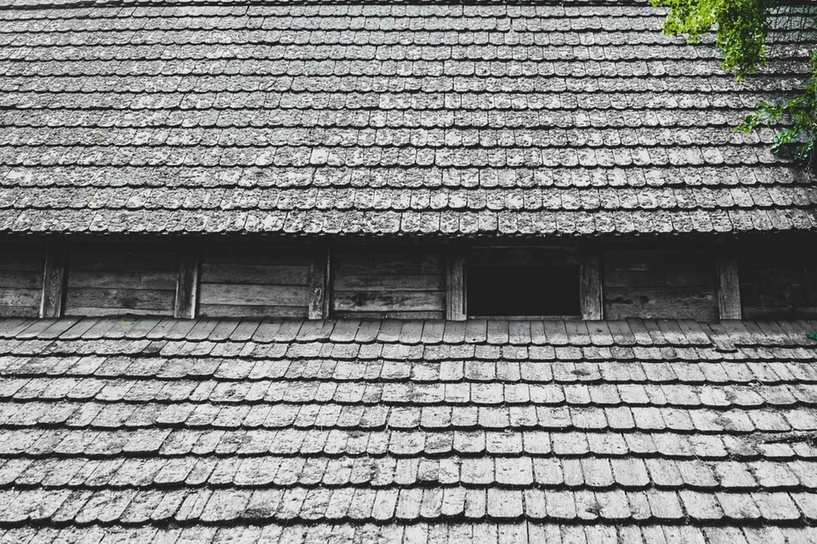
Age is the first question because every roofing material has a working lifespan, and our own material guides put asphalt composite shingles at roughly 20 to 30 years and metal roofing at 40 to 70 years with proper installation and maintenance. A roof approaching the low end of its range deserves a closer look even when it seems fine, since shingles can lose their protective qualities long before they look worn.
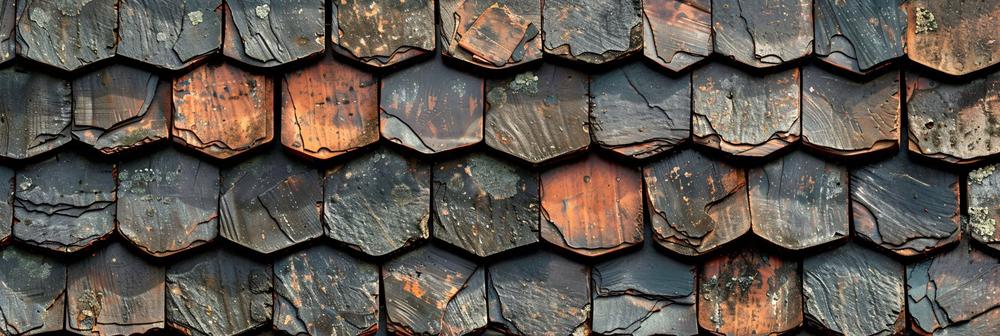
Age alone does not condemn a roof, and a well-installed one in good condition can outlast the average. It does shift the odds, though, because the more years a roof has behind it, the more likely that any new problem is one of many rather than an isolated one.
2. Shingles Are Curling, Buckling, or Cracking
Asphalt shingles that curl at the edges, cup in the middle, or crack across the surface have usually dried out from years of sun and temperature swings, and they no longer lie flat to shed water. Wind can lift them and rain can be driven underneath, which is a common starting point for leaks.
Scattered damage near a tree limb or a vent is a repair job. Curling or cracking across whole slopes, especially the south and west faces that take the most sun, points to a roof whose shingles are aging all at once and are better replaced together.
3. Granules Are Collecting in the Gutters
The gritty surface on an asphalt shingle is made of mineral granules that shield the layer beneath from ultraviolet light. When a gutter or downspout outlet starts filling with that grit, or when bare dark patches appear on the shingles, the surface is wearing away and the asphalt below is aging faster than it should.
A little granule loss is normal on a new roof in its first months. Heavy, ongoing loss on an older roof is a sign that the shingles have little protection left, and it tends to show up before leaks do, which makes it one of the earliest warnings available.
4. Leaks and Ceiling Stains Keep Coming Back
A leak that has been repaired once and has returned, or brown stains that spread across ceilings in more than one room, suggest that water is getting in at several points rather than one. Water also travels along rafters and decking before it appears, so the stain is often some distance from the actual opening.
This is the sign that most often decides between repair and replacement. A single flashing failure can be fixed, but repeated leaks across a roof of advancing age mean the repairs are chasing a system that is failing, and the cost of the next few patches starts to approach the cost of a new roof. If water is coming in right now, our roof emergency service can stop the damage first.
5. The Roofline Is Sagging
A dip or sag in the ridge or across a slope is among the more serious findings, because it points to a problem under the shingles, such as saturated decking, failing rafters, or long-term water damage. Our emergency guidance lists sagging roof areas among the conditions that call for a prompt response.
Shingles cannot be repaired into a straight line over a weakened structure. A sagging roof needs a professional inspection to find the cause, and replacement usually includes correcting the decking or framing underneath.
6. Moss, Algae, and Soft Spots Are Spreading
Moss is a familiar sight on roofs in this region, and a light growth on a shaded slope can be cleaned off, which is a service we provide. Thick moss that lifts shingle edges, holds water against the surface, and keeps the roof damp for months is different, since the moisture works into the shingle layers and the wood below.
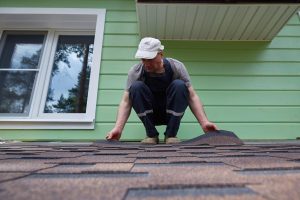
Soft or spongy spots underfoot, dark streaking that returns quickly, and shingles that flake away when touched indicate that moisture has done lasting harm. Walking a damaged roof is dangerous and can make the damage worse, so these signs are best assessed by a trained crew with proper fall protection.
7. Daylight or Dampness Shows Up in the Attic
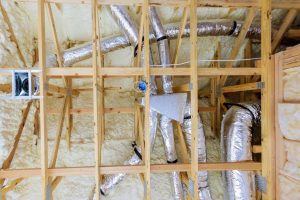
The attic reveals problems that are invisible from outside. Pinpoints of daylight through the roof boards, damp or darkened decking, musty smells, and wet or matted insulation all mean the roof is no longer keeping weather out, and that moisture can damage the insulation as well, reducing its performance.
Wet insulation also loses much of its ability to hold heat, so a failing roof can raise energy bills before any leak reaches a ceiling. Roof and attic problems usually travel together, which is why we look at both during an inspection and our insulation service can address material that has been compromised.
What a Professional Inspection Settles
One sign on this list generally calls for a repair, while three or four together usually mean the roof is finished, and an experienced roofer can say which applies by reading the roof as a whole. We look at the age, the condition of the shingles and flashing, the decking, and the attic, and we give an honest recommendation, including a straightforward roof repair when that is all the roof needs.
When replacement is the right answer, most of our residential jobs under 4,000 square feet are completed in a single day, with the nails placed by hand and the site cleaned up before we leave. You can see how that works on our roof replacement page.
FAQs
How long does a 30 year roof really last?
A 30 year label is a best case, since asphalt composite shingles run roughly 20 to 30 years and metal roofing 40 to 70 years when installed and maintained properly. It depends on the material and the conditions. The wet Pacific Northwest climate, shade, and nearby trees can shorten those ranges, so condition matters more than the calendar. An inspection tells you where your roof stands.
Can I repair my roof instead of replacing it?
Often you can, when the damage is limited to a small area and the rest of the roof is in good shape. Repairs make less sense when problems are widespread, leaks keep returning, or the roof is near the end of its life. We will tell you plainly which situation you are in and quote the option that fits.
Is a leaking roof an emergency?
An active leak should be treated as urgent, since water spreads quickly into insulation, framing, and ceilings. Our team responds to roof emergencies and can take temporary measures, such as tarping exposed areas, to stop further damage before permanent repairs are planned. Call us as soon as you notice water entering your home.
How long does a roof replacement take?
Most of our residential replacements on homes under 4,000 square feet are completed in a single day. Larger or more complex roofs, such as those with several materials or significant decking repairs, can take longer, so ask about the schedule when you request an estimate. The crew cleans up the site thoroughly when the work is done.
Call (360) 317-5027 to check availability with Fly Guys Roofing.